How it works
From handover to debrief in one session



1. Choose the case
An instructor assigns a scenario, or the learner picks one. Choose the learning objective, the difficulty and a mode: orientation, guided practice, independent practice or assessment.

2. Take the handover
Put on the headset. A team member gives a short handover, and you meet your team and the equipment in the room.

3. Assess and assign
Check the patient, connect the monitor and give each team member a role. The clock runs, so every delay counts.

4. Lead by voice
Give orders as you would on a real code. The team reads them back, does the work with realistic timing and tells you when each task is done.

5. Adapt as the patient changes
Rhythms change, drugs take effect and new findings come in. Reassess, change the plan and keep compressions going.
6. Debrief and repeat
See a timeline of your decisions, what went well and what you missed. Replay any moment, or retry the case from that point.

Inside CodeBlue
AI understands what you say. Clinical rules, not AI, decide what happens to the patient and how you are assessed.
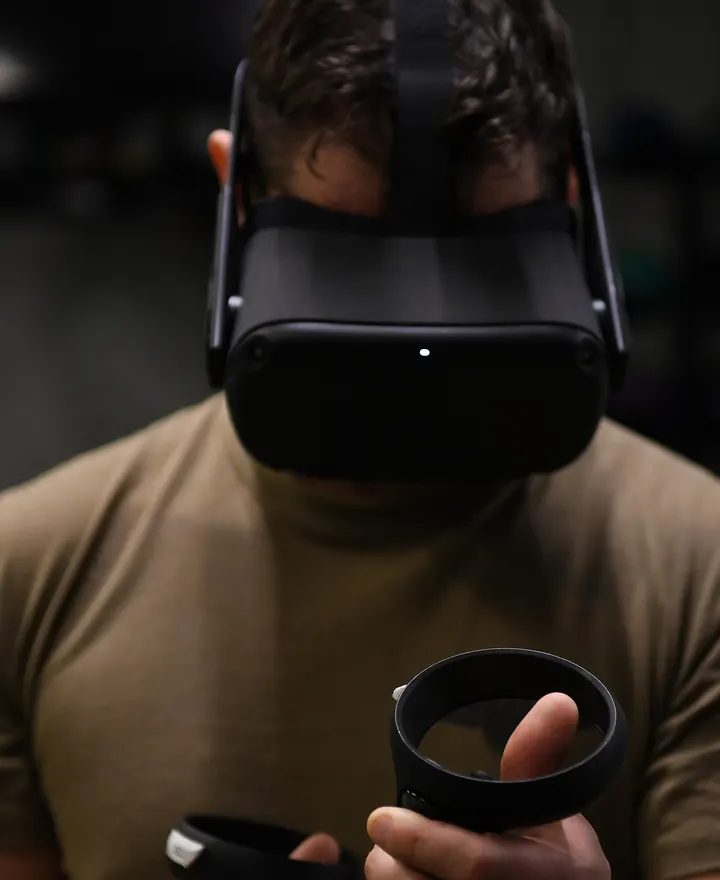
Voice control
Push to talk and speak naturally. Speech recognition tuned for clinical orders turns what you say into a structured order. Rules check every order before anything happens. Unclear orders get a question, and high-risk orders get a confirmation.
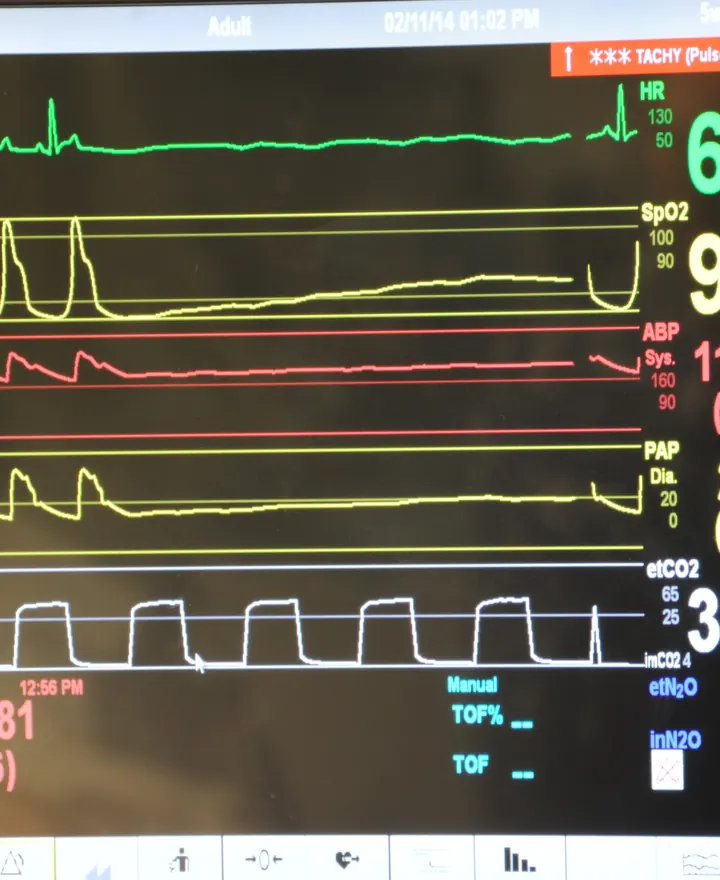
Patient simulation
A physiology model drives the rhythm, the vital signs, the pulse checks and the response to CPR, shocks and drugs. The simulation is deterministic, so you can replay any session exactly as it happened.
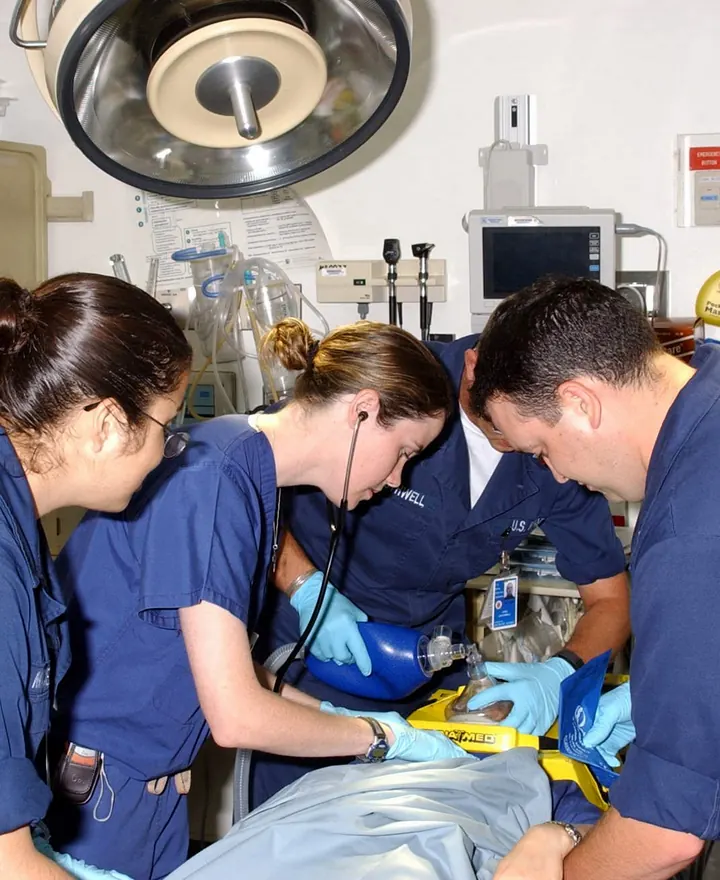
Resuscitation team
Compressor, airway, medication and monitor/defibrillator roles. Each team member has one pair of hands, a queue of tasks and realistic timing. They rotate compressions, report back and never quietly correct your mistakes.
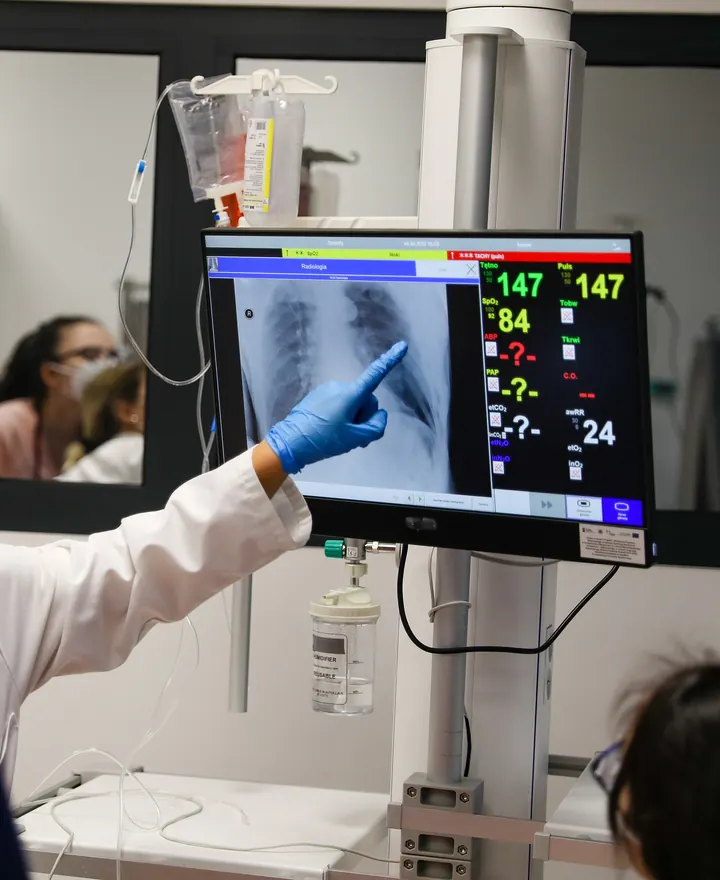
Assessment and debrief
A rubric covers recognition, treatment choice, timing, team leadership and handoff. Each finding links to the moment in the timeline. Decisions are judged on what you could know at the time, and no AI model decides your grade.
Instructor console
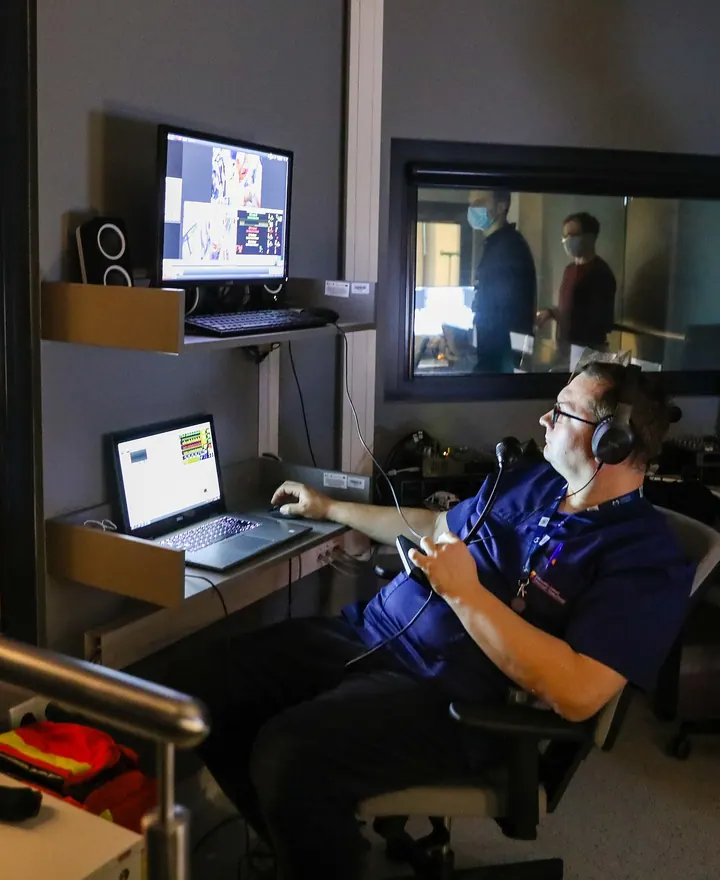
Assign cases to learners or cohorts, watch a session live, pause it, add an approved complication and annotate the timeline. Review results by objective across attempts.
Clinical content
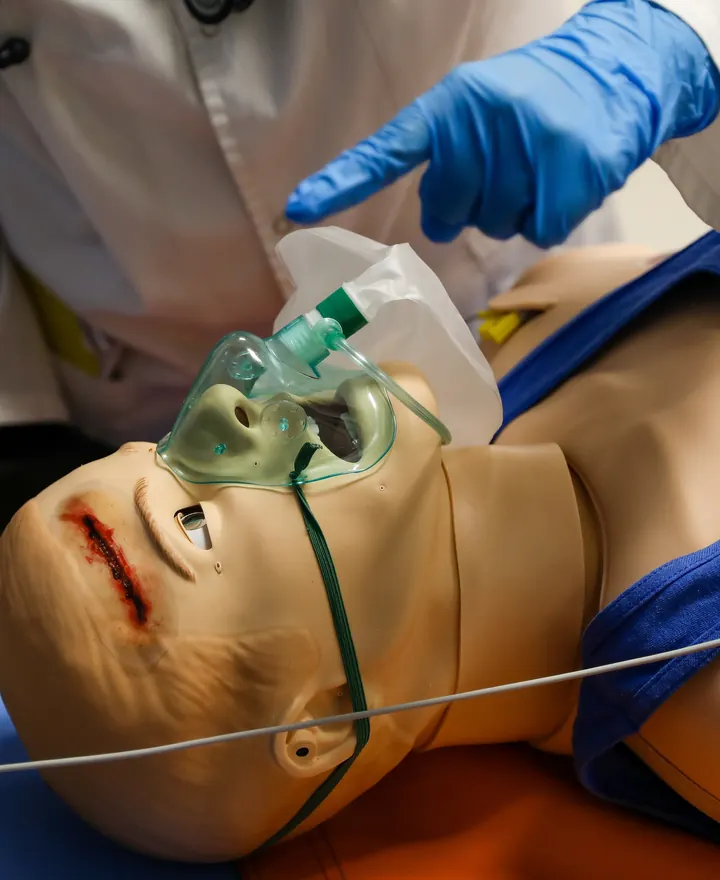
Each scenario is a versioned content pack built on the 2025 adult resuscitation guidelines. Clinicians review every pack before it is published, and each rule links to its source.
Privacy and security
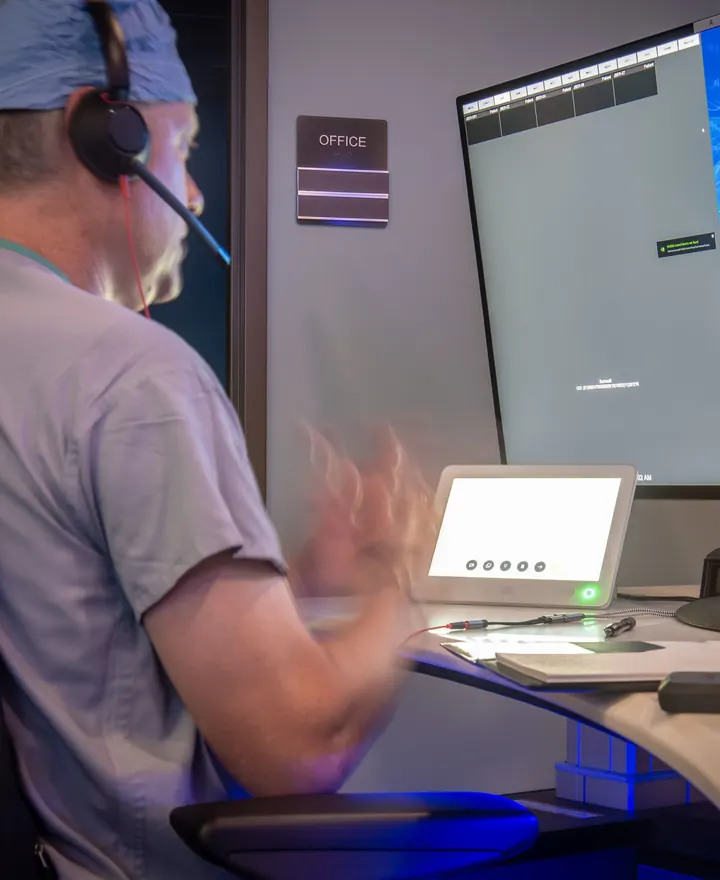
Patients are synthetic, so no patient data enters the system. Learners sign in through their institution, AI providers receive only the minimum data, and every session shows whether it is recorded.
Built around the ACLS curriculum
Adult ACLS cases, from cardiac arrest to post-arrest care. The pilot starts with one complete case, and new cases follow after clinical review.
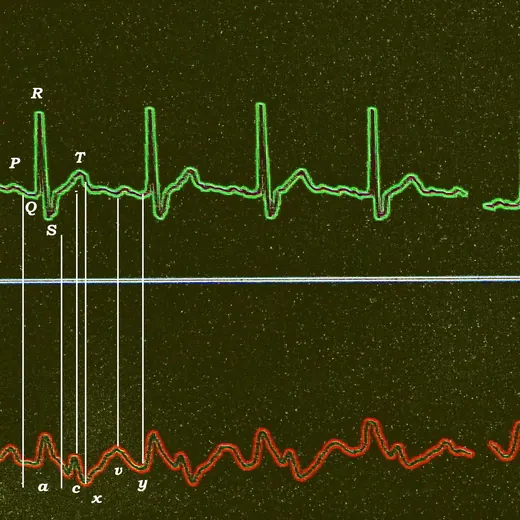
Shockable cardiac arrest (VF/pVT)
Pilot
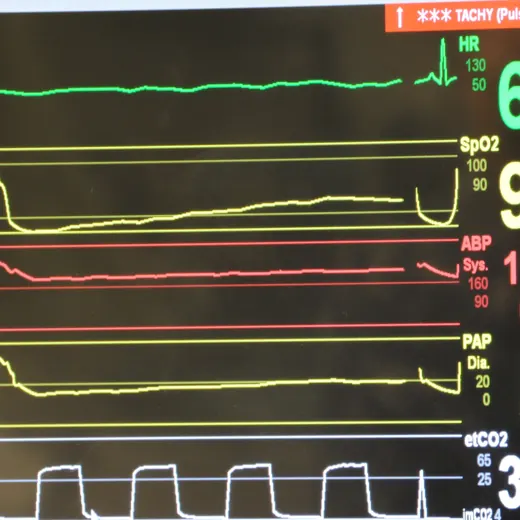
Nonshockable arrest (PEA/asystole)
In development
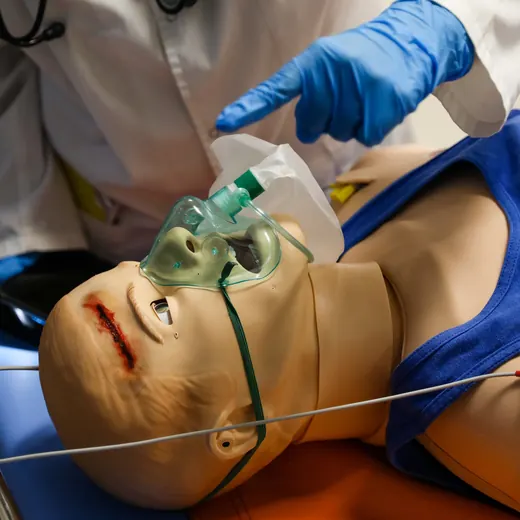
Respiratory arrest and airway
In development
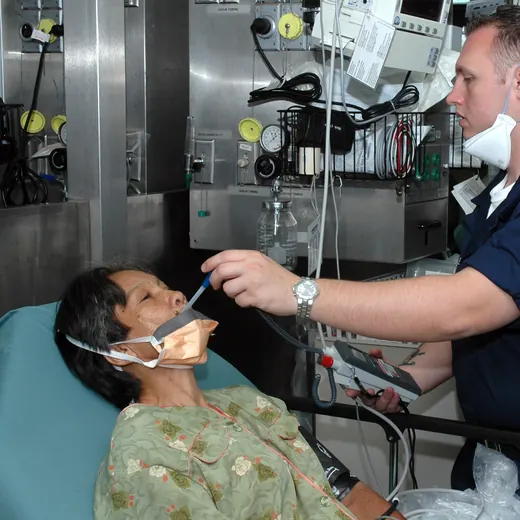
Symptomatic bradycardia
In development
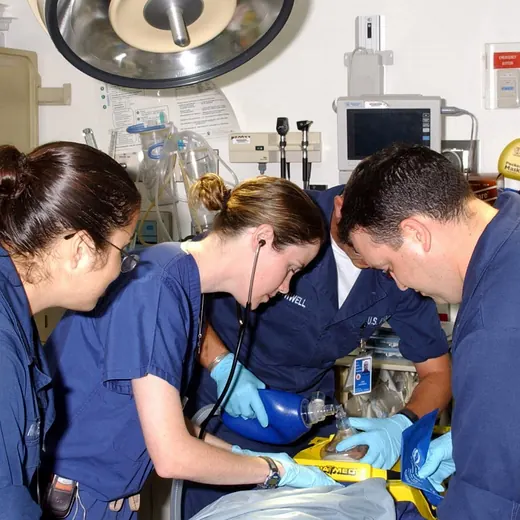
Tachycardia with a pulse
In development
ROSC and post-cardiac arrest care
In development
Acute coronary syndromes and stroke
Planned

Team dynamics and communication
Every case
 Ready to run your first virtual code?