
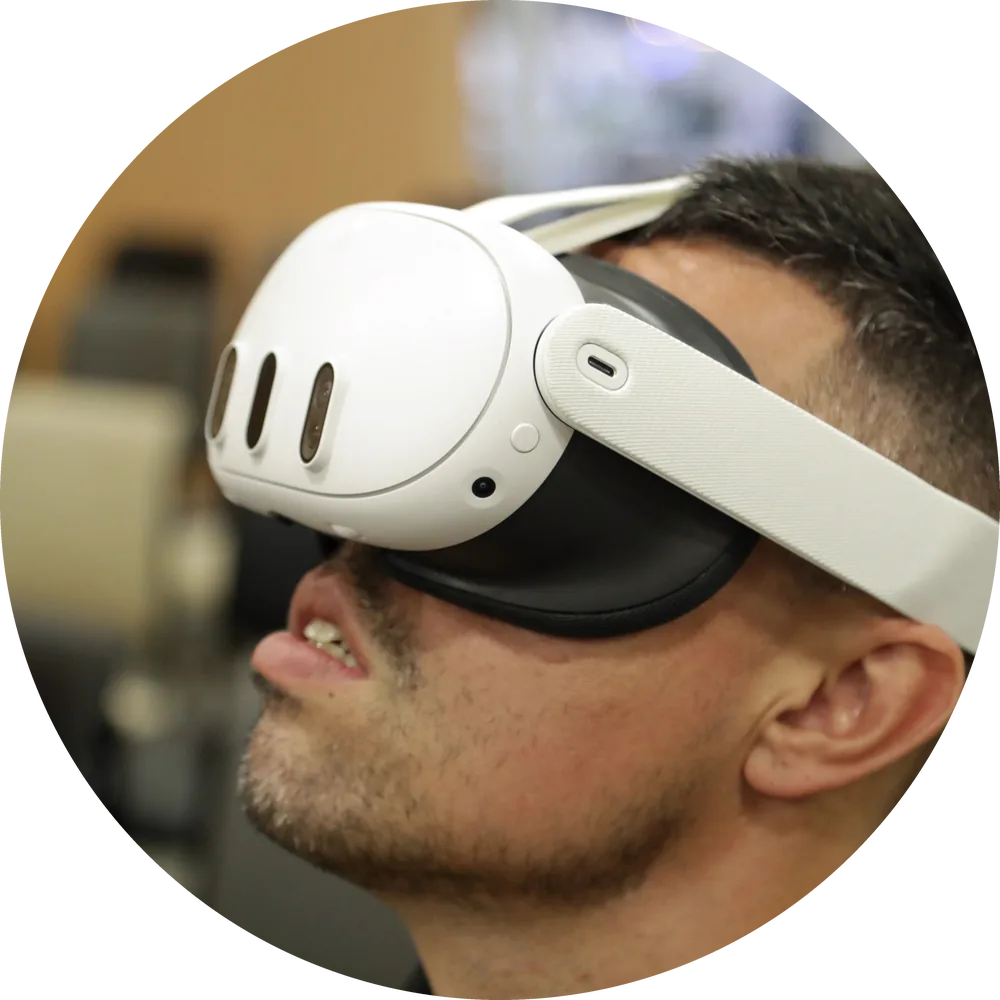
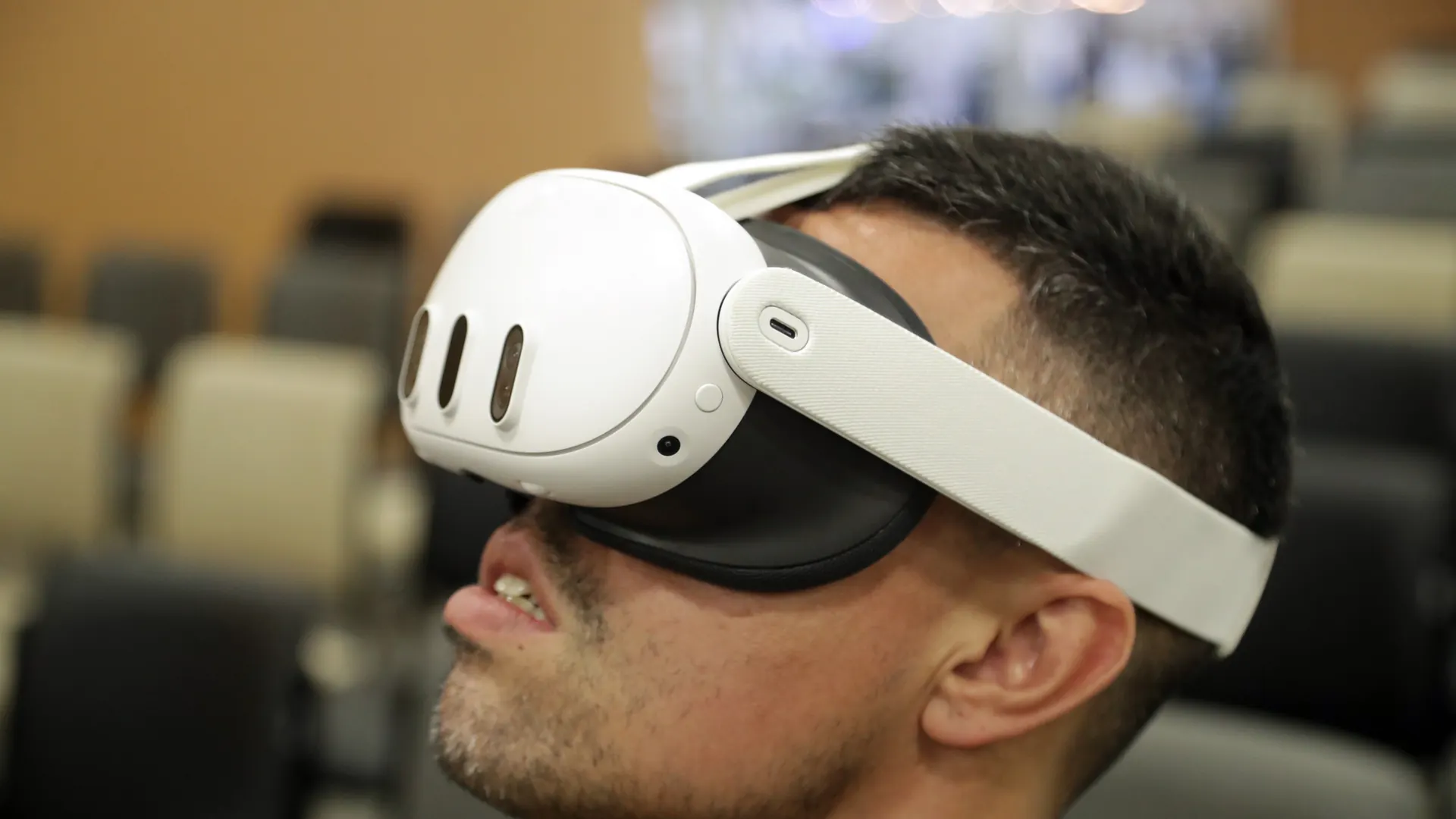
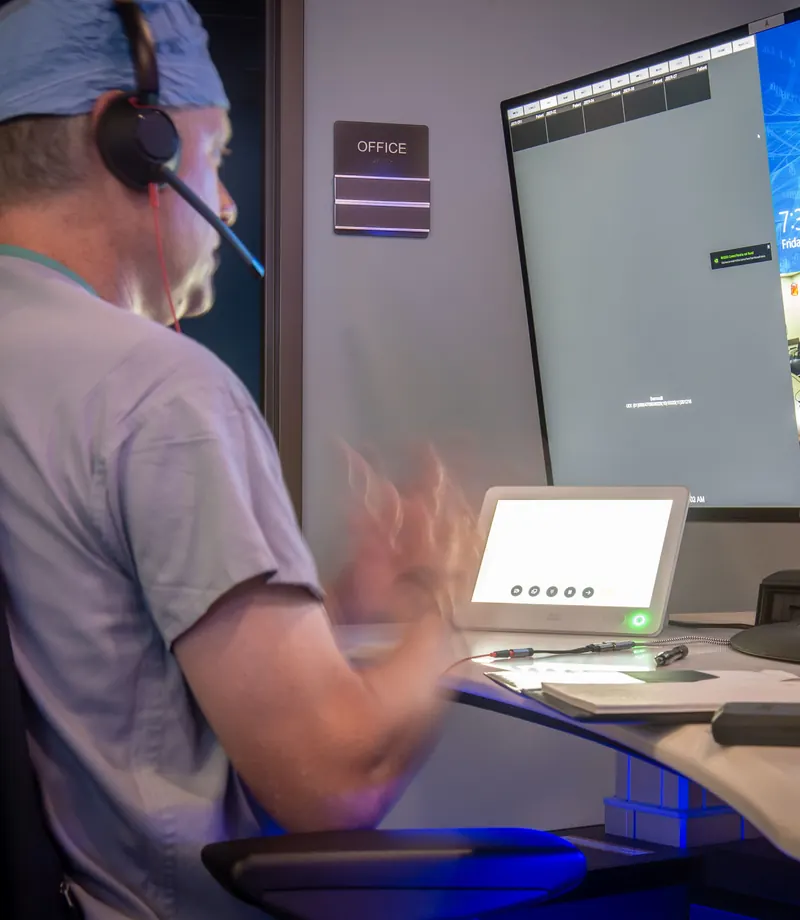
CodeBlue puts you at the head of the bed. Call your orders out loud, and an AI resuscitation team acts on them while the patient's condition changes.
Now enrolling
pilot partners
Lead the codein virtual reality
Team leadership
Closed-loop communication
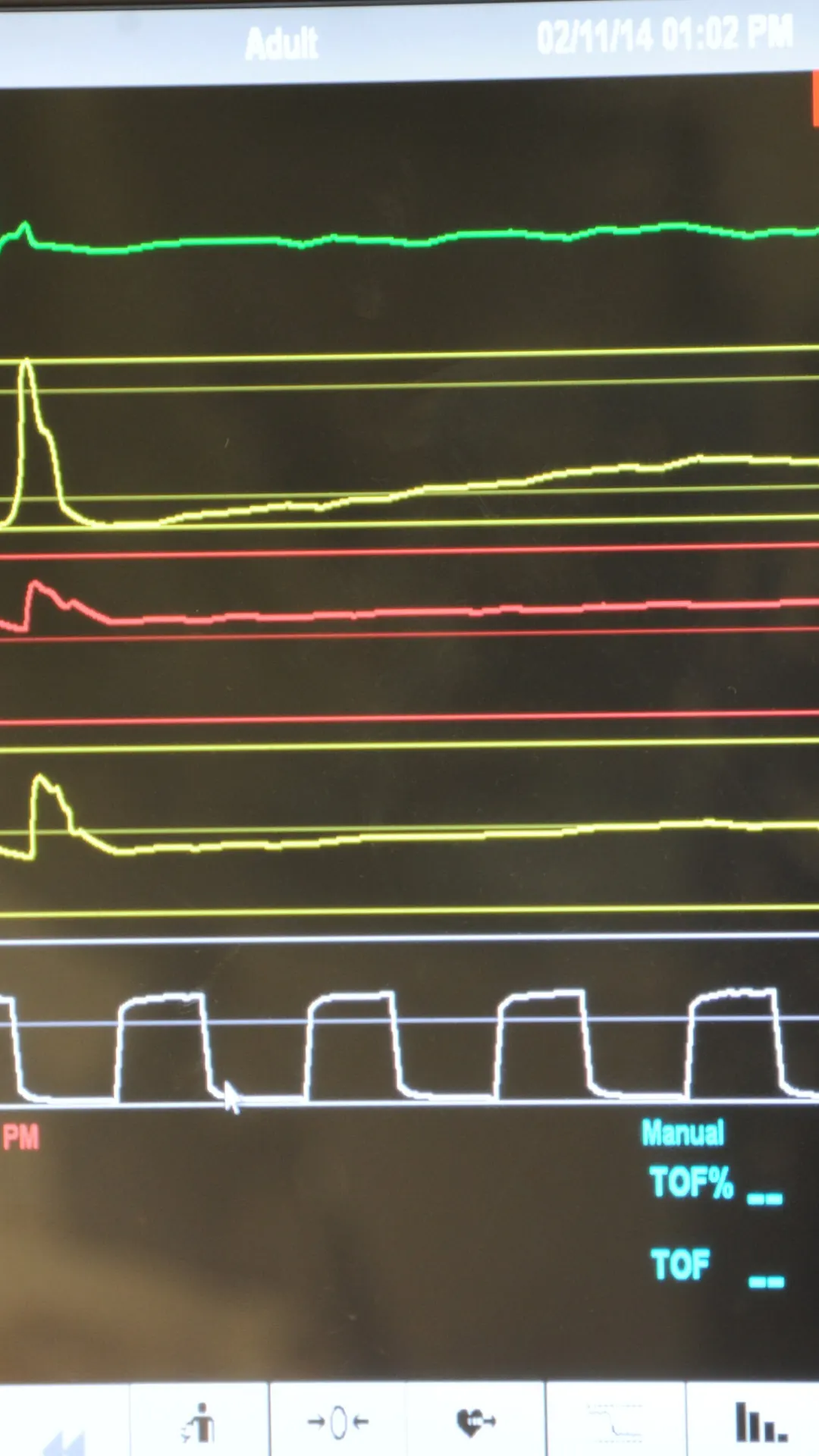
Rhythm recognition
Defibrillation
Medications
ROSC and handoff
Voice-led AI team
Standalone VR headset
Evidence-based debrief
Instructor console
Clinician-reviewed cases
2025 adult guidelines
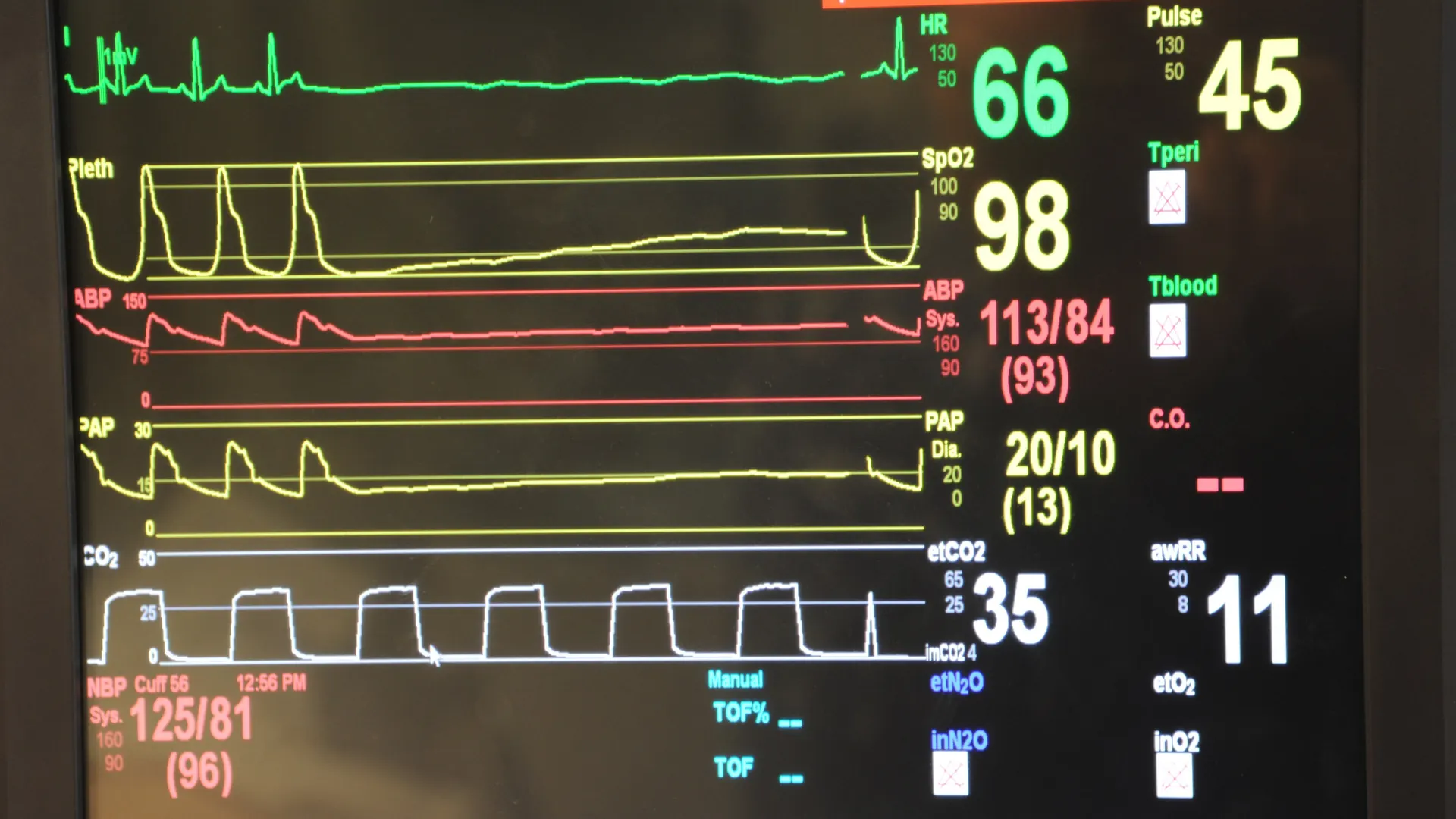
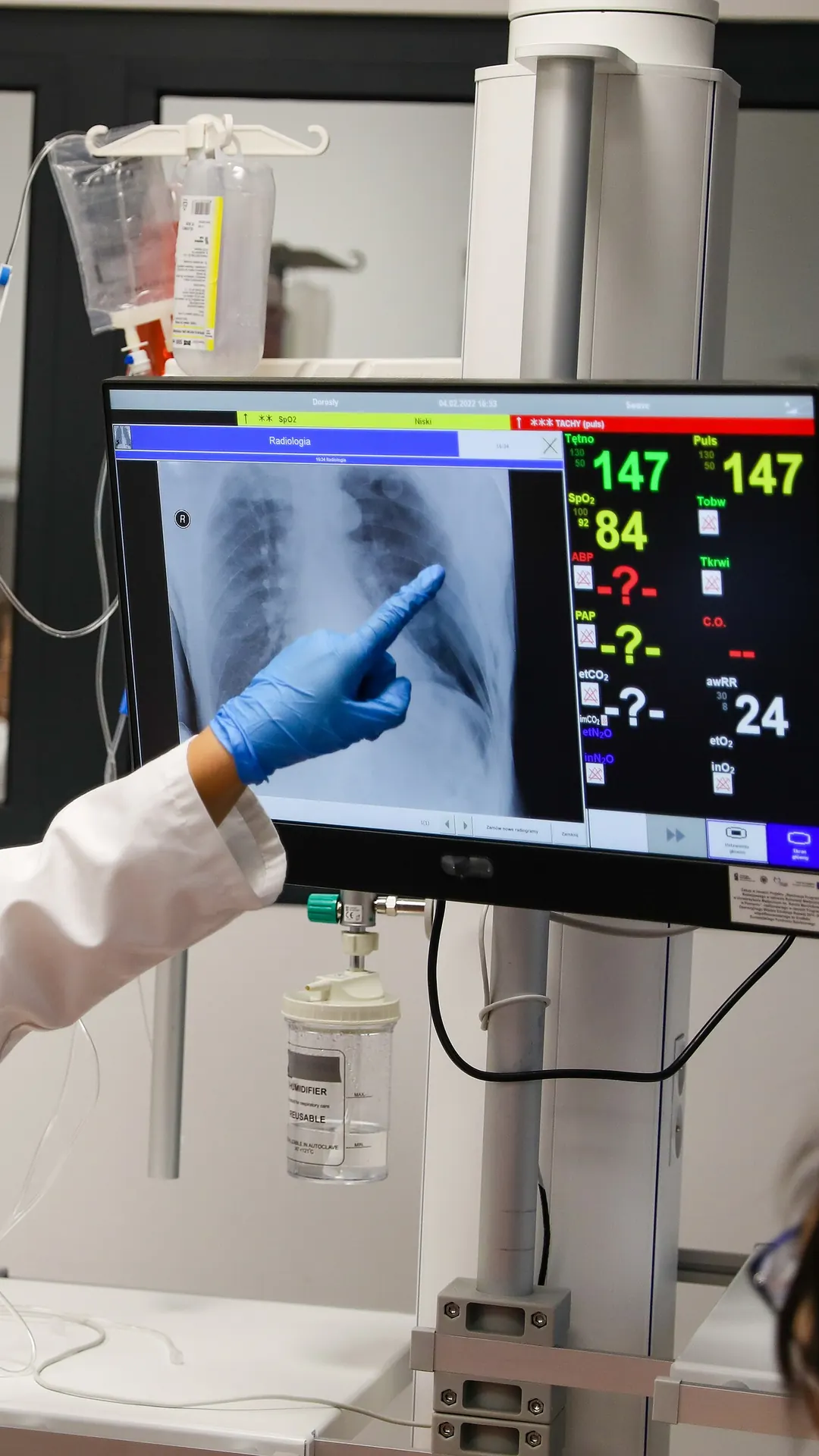
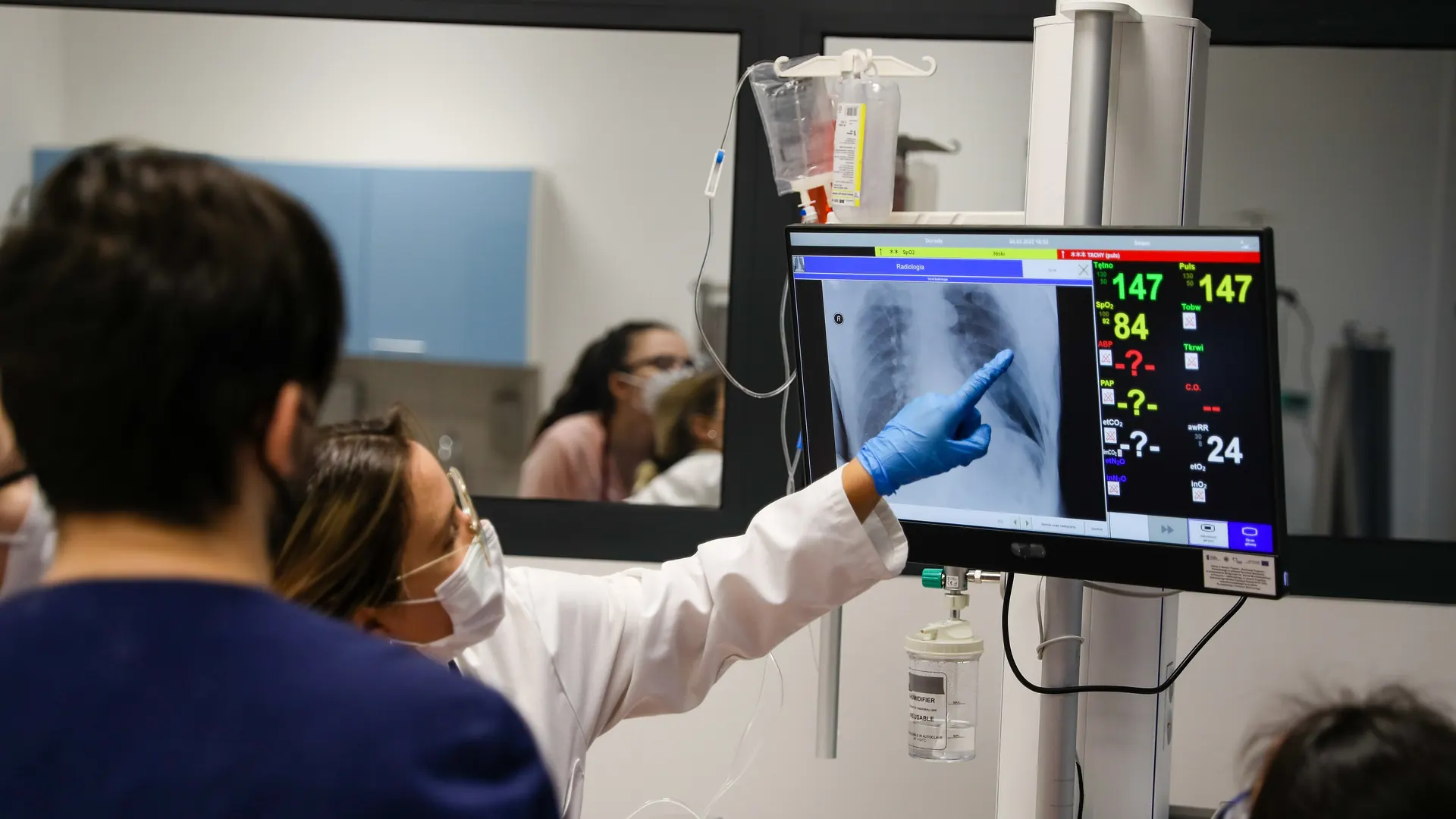
Codes are rare. Practice shouldn't be.
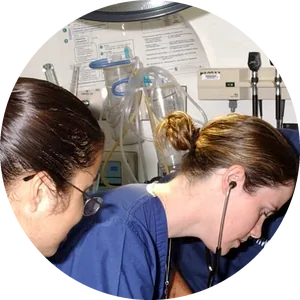
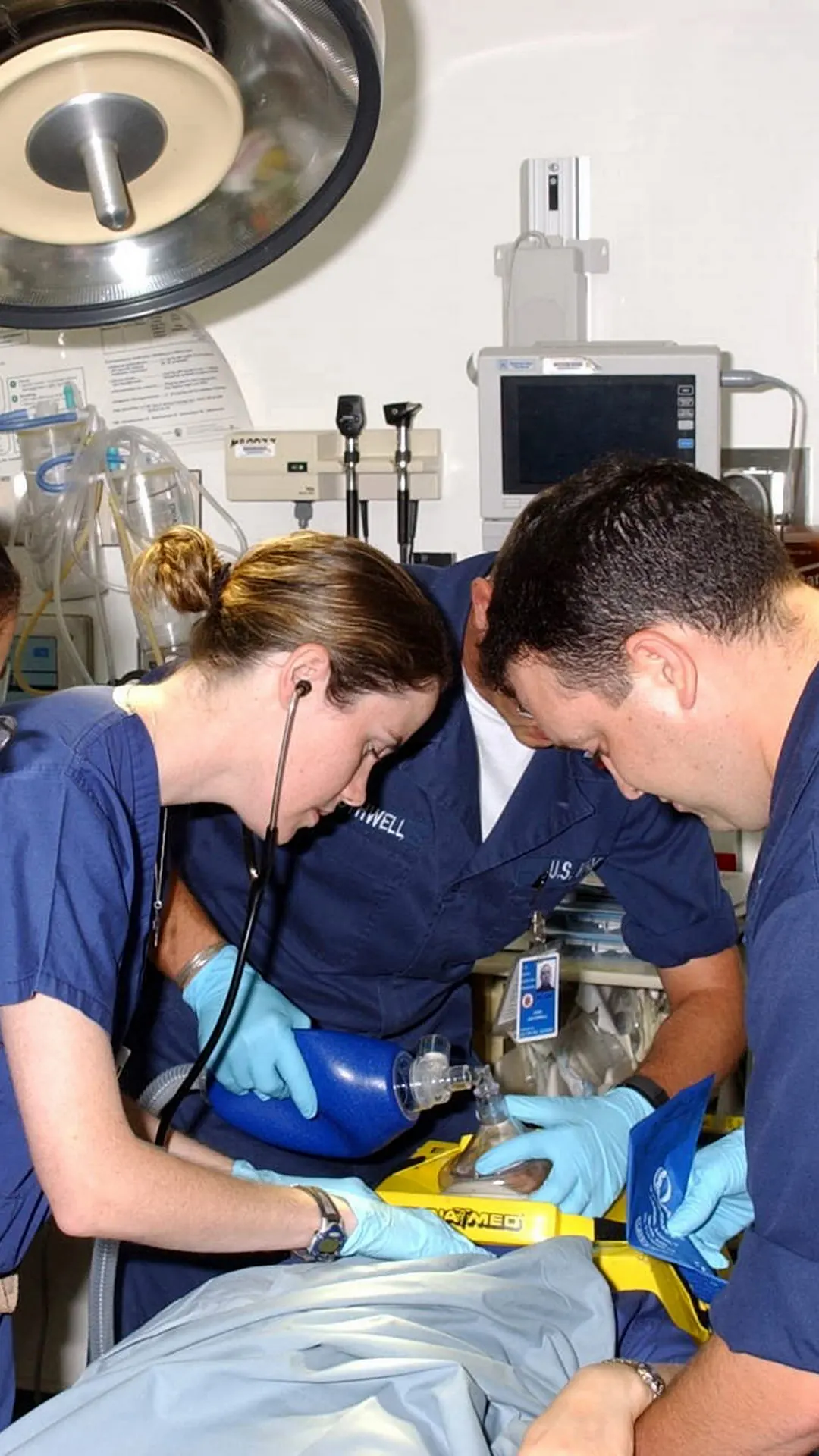
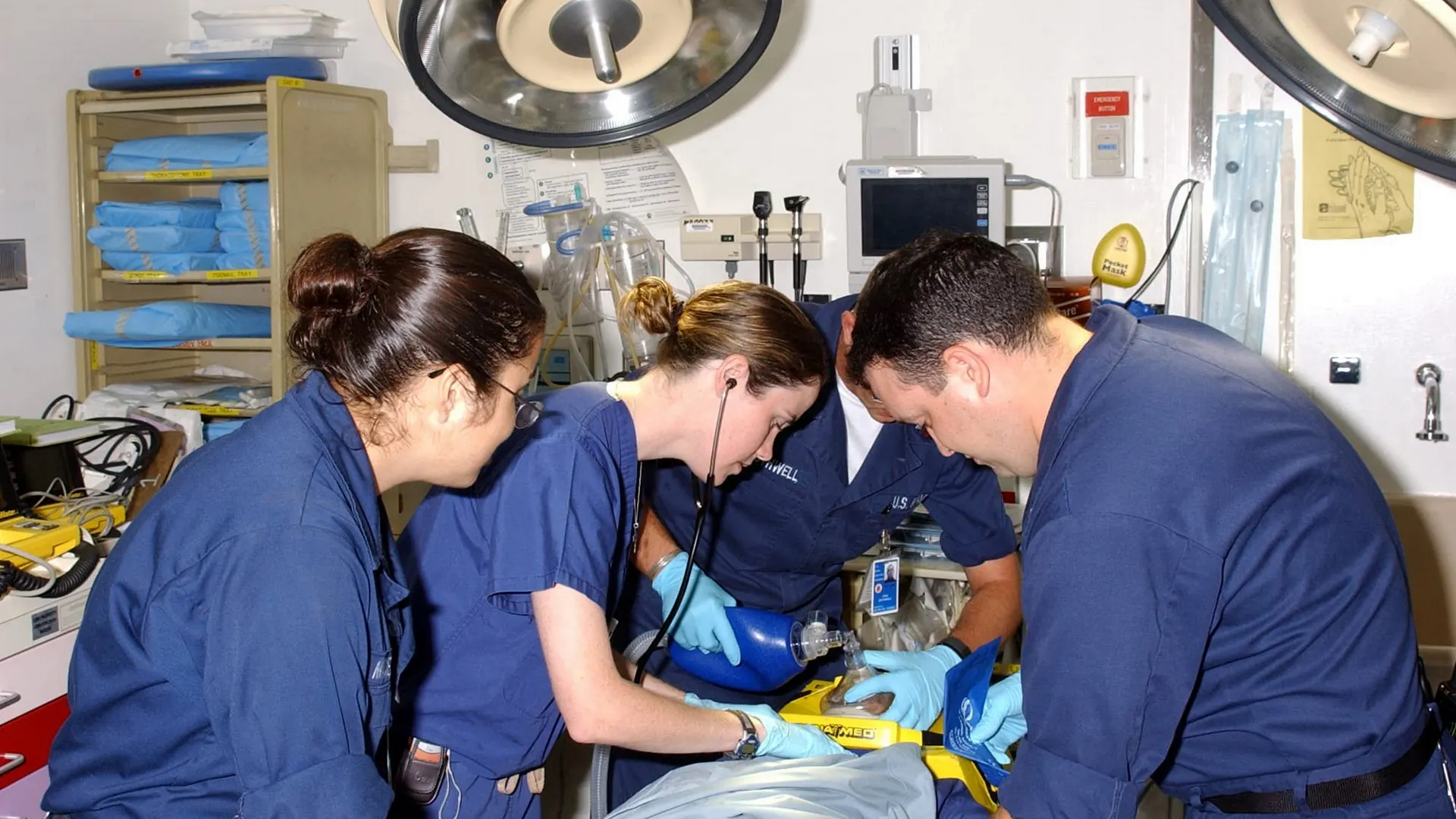
Most clinicians lead only a few real resuscitations, and a mock code needs a sim lab, faculty and a full team. CodeBlue gives every learner the leader's role, as often as they need it, with a debrief that shows what happened and when.
Residents and physicians
ED and ICU nurses
Paramedics
ACLS students
Simulation educators
Resuscitation committees
No sim lab to book
No actors to schedule
Every learner leads
Repeat any case
Synthetic patients only
No PC or cables
What makes CodeBlue different
Built for the hardest part of a code: leading the team.





Built around the ACLS curriculum
Adult ACLS cases, from cardiac arrest to post-arrest care. The pilot starts with one complete case, and new cases follow after clinical review.
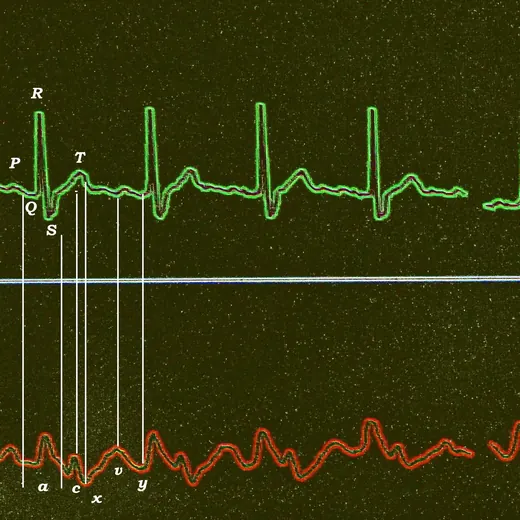
Shockable cardiac arrest (VF/pVT)
Pilot
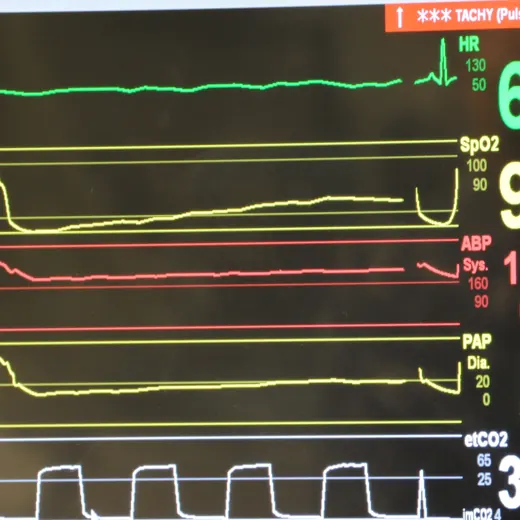
Nonshockable arrest (PEA/asystole)
In development
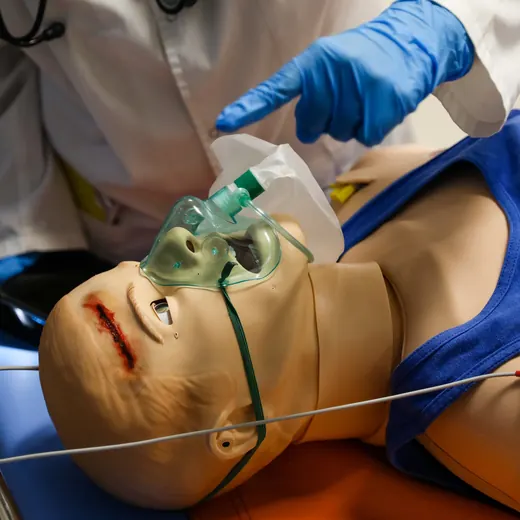
Respiratory arrest and airway
In development
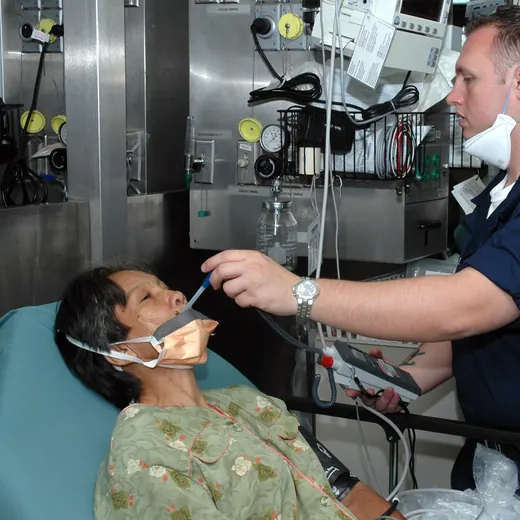
Symptomatic bradycardia
In development
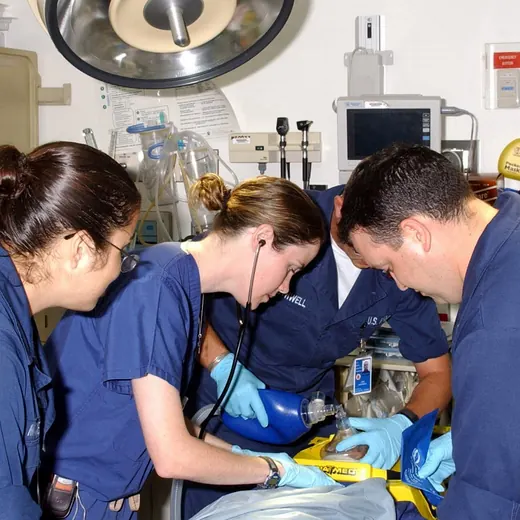
Tachycardia with a pulse
In development
ROSC and post-cardiac arrest care
In development
Acute coronary syndromes and stroke
Planned

Team dynamics and communication
Every case
Questions, answered
What is CodeBlue?
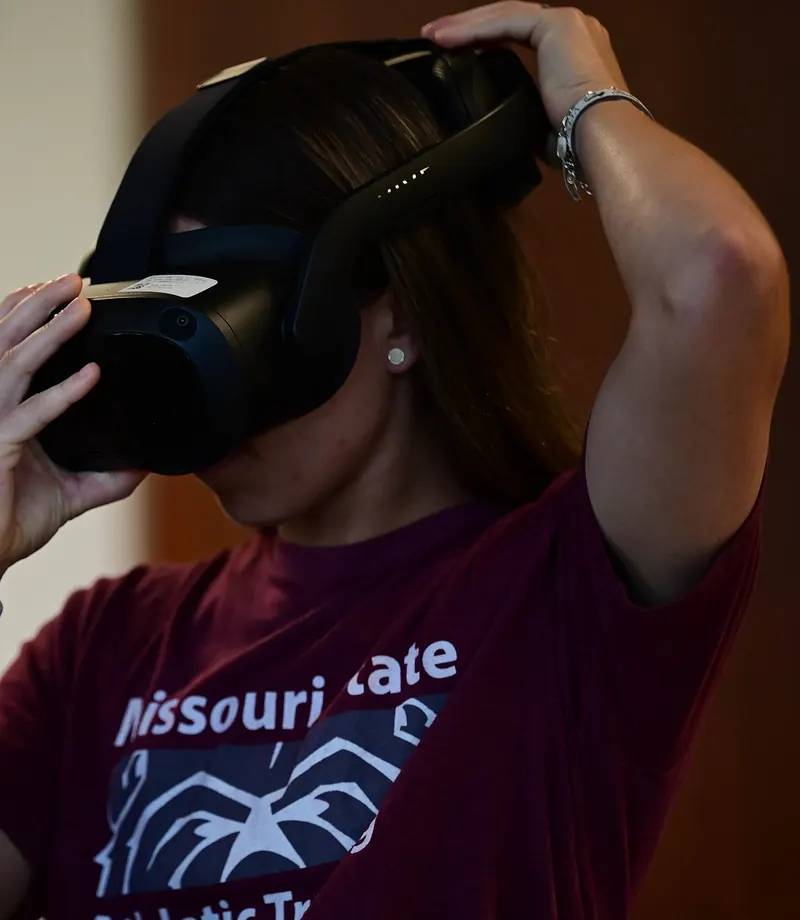
CodeBlue is a virtual reality ACLS simulator. You are the team leader in a resuscitation room. You give spoken orders to an AI team of four, the patient responds to what the team does, and you get an evidence-based debrief at the end of each case.
Who is CodeBlue for?
Anyone who may lead or run a code: residents and physicians, emergency and critical care nurses, paramedics and ACLS students. We built it with simulation centers, hospitals, medical and nursing schools, residency programs and resuscitation committees in mind.
Does CodeBlue replace ACLS certification?
No. CodeBlue does not issue a provider card and it is not affiliated with or endorsed by the American Heart Association. Use it to practice team leadership between courses, to prepare for a megacode or to add realistic mock codes to your program.
Do I practice chest compressions in VR?
No. Hands-on CPR skills need a manikin with real-time feedback, and VR controllers cannot measure compression depth. In CodeBlue you lead the person who does the compressions: you start CPR, keep pauses short, call for rotations and coordinate shocks.
What equipment do I need?
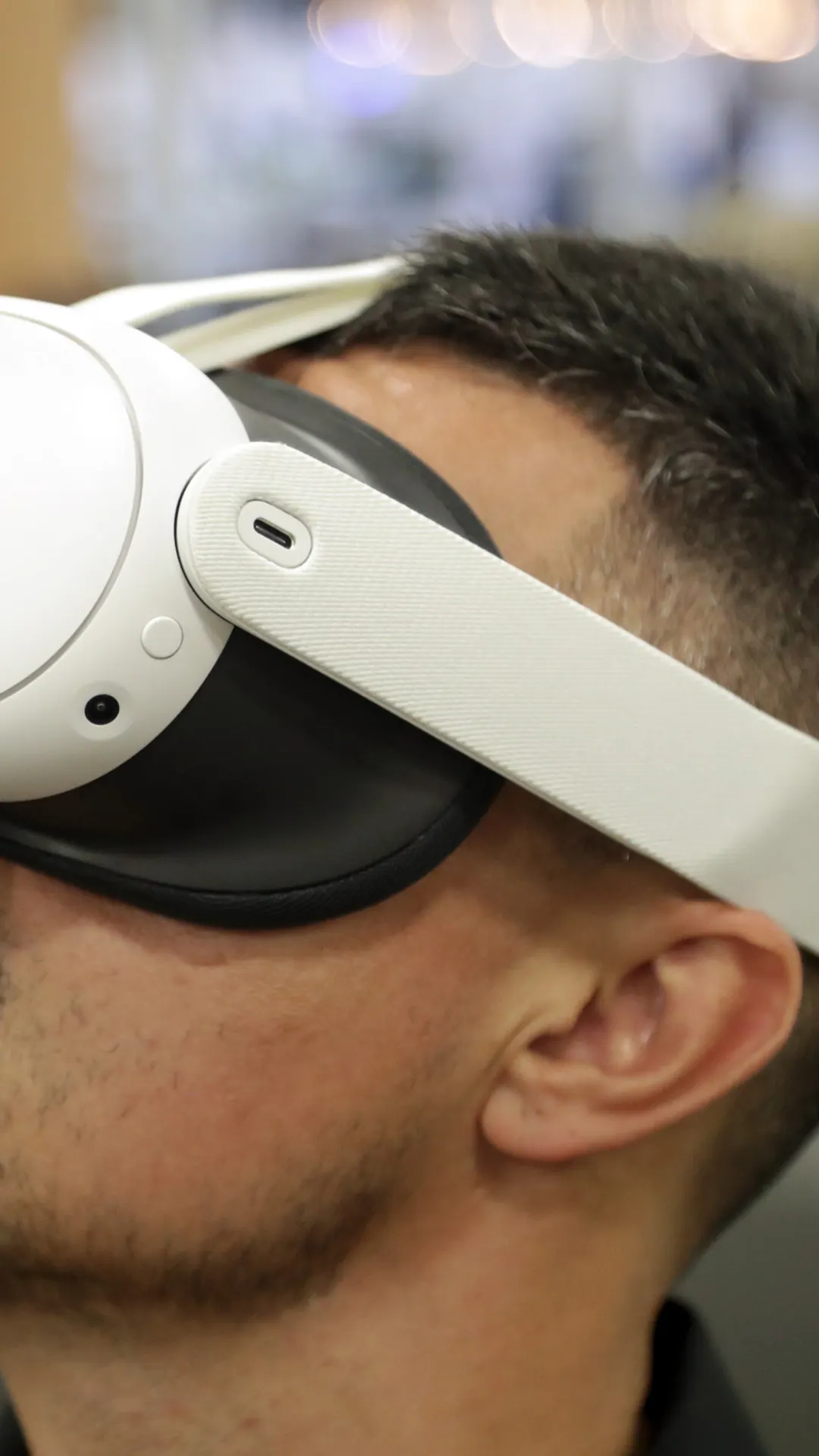
A standalone VR headset and a reliable Wi-Fi connection for the voice features. You do not need a PC or cables, and you can play seated or standing. Tell us which headsets your institution uses, and we will confirm support for them.
 Ready to run your first virtual code?